

-
أمن : +86 20 8278 0427
-
بريد إلكتروني : info@stsystemplc.com
أمن : +86 20 8278 0427
بريد إلكتروني : info@stsystemplc.com
How owners reduce bucket-truck visits, blind inspection, repeated repair and unclear responsibility after a smart lighting project is handed over.
The expensive fault is not always the broken lamp. The expensive fault is the unclear fault that sends a truck, a night crew and a lane-control team to the wrong place twice.
Use this guide if your team is comparing smart street light maintenance systems, lighting fault management, street light controller replacement, tunnel maintenance workflow or the real 5-year to 10-year lifecycle cost behind a smart lighting project.
Many smart lighting proposals promise lower maintenance cost, but buyers often receive only a general claim. In real projects, maintenance cost is a chain of small costs: fault diagnosis, truck arrangement, lift equipment, night labor, traffic management, communication troubleshooting, spare parts, return visits and owner reporting. If the system cannot identify the fault clearly, the maintenance team becomes the diagnostic tool. That is expensive.
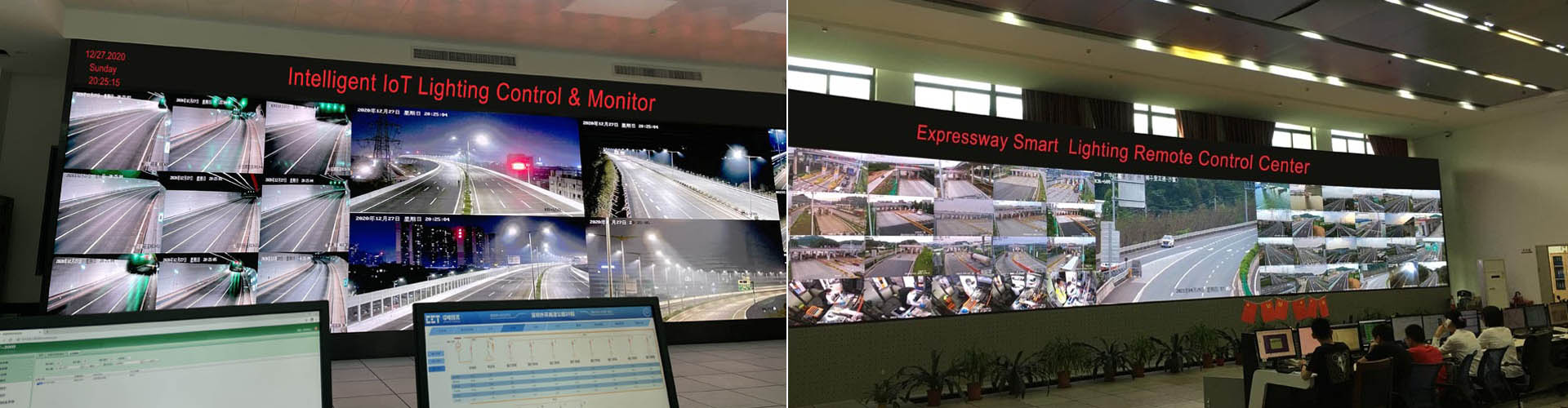
A strong Interconnected lighting system should change the workflow. The owner should see whether the issue is lamp failure, driver abnormality, controller offline, cabinet fault, gateway communication loss, schedule conflict, abnormal energy use or power supply problem. The system does not replace field workers; it helps them arrive with the right tools, the right parts and the right expectation.
Serious buyers rarely search with one perfect keyword. They search from pressure: a budget problem, a tunnel safety question, a brand-comparison meeting, a maintenance dispute, a communication failure or a smart city integration goal. The page must meet that real pressure first, then guide the buyer into a complete Interconnected architecture.
| Buyer Search | What the Buyer Actually Wants to Know | Evidence the Buyer Should Request |
|---|---|---|
| smart street light maintenance system | Can the owner reduce truck rolls and repeated fault visits? | Ask for lamp, controller, cabinet, gateway, alarm, dispatch and closure records in one evidence chain. |
| street lighting maintenance cost | What makes operation expensive after the project is accepted? | Review lift equipment, lane closure, night labor, wrong dispatch, repeated inspection and spare-part planning. |
| street light fault management | Can the platform classify and locate real faults? | Check lamp failure, driver alarm, controller offline, cabinet abnormality, gateway loss and energy anomaly logic. |
| street light controller replacement | Will replacement reduce future repair pressure? | Confirm controller identity, PLC/LoRA route, CH-800 Gateway records, configuration backup and field compatibility. |
| tunnel lighting maintenance | Can safety-critical faults be handled without guesswork? | Require zone-level alarms, cabinet fallback, emergency mode, manual override and acceptance records. |
| smart lighting work order system | Can the repair loop be closed and reviewed by the owner? | Connect alarm source, technician action, before/after status, material use and owner confirmation. |
High-intent searches usually come from field pain. These searches are valuable because the buyer is not browsing general technology; the buyer is trying to reduce a real operating risk. The stronger answer connects the search phrase to a practical evidence chain that the owner can verify after handover.
| Real Search Scenario | Buyer Pain Behind the Search | Interconnected Answer |
|---|---|---|
| bucket truck for street light repair | The buyer is paying for equipment because the system cannot identify the fault source. | Use remote diagnosis, fault classification and asset mapping before dispatching a lift truck. |
| smart street light alarm but no fault location | The dashboard reports a problem but the owner cannot find the exact pole, cabinet or gateway group. | Tie lamp ID, controller ID, pole location, cabinet and gateway zone into one project record. |
| gateway offline maintenance | A whole area may look invisible, but the owner does not know the affected asset boundary. | Show gateway grouping, communication logs, local fallback and recovery records. |
| street light repair repeated failure | The team repairs the same section repeatedly because root cause and closure evidence are weak. | Track alarm type, replacement action, parameter change, energy behavior and final status. |
| tunnel lighting abnormal brightness | A safety-sensitive zone needs clear evidence before manual intervention. | Use entrance zone, interior zone, emergency scene, cabinet status and operator record. |
| maintenance contractor dispute | Owner, EPC, supplier and service contractor disagree about responsibility. | Keep owner-controlled records that show fault time, asset identity, action and closure. |
Strong maintenance-focused lighting platforms help buyers understand asset status, alarm visibility, work-order routing, energy records and service reporting. Global lighting brands often explain lifecycle confidence, warranty support and sustainability. Automation and infrastructure suppliers often explain asset discipline and operating records. Specialized smart lighting platforms often explain lamp-level visibility and daily maintenance workflow.
The practical next step is to connect those strengths with evidence the owner can keep: asset identity + alarm source + gateway zone + dispatch record + repair closure. Maintenance savings become easier to review when each avoided visit can be connected to clearer diagnosis.
They explain fewer unnecessary site visits, faster fault location, lower night-work pressure, maintenance dashboards and clearer work-order tracking.
They also use proof signals such as alarm screenshots, city references, maintenance reports and before/after service stories.
A procurement review should ask how the system records the source of each fault, the affected asset, the gateway route, the dispatch action, the repair note and the closure status.
This keeps the maintenance saving connected to evidence the owner can review after handover.
The first presentation can hide many weak points. The map loads, the lamp icons change color and the dashboard looks professional. The problem appears later, when the owner needs to explain exactly what happened on the road, in the tunnel, inside the cabinet or during a maintenance event.
For small projects, teams can cover the gap with manual inspection. For long roads, tunnels, bridges and citywide networks, weak evidence becomes expensive. It creates repeat visits, delayed response, blame between suppliers and a loss of owner confidence.
A procurement team should make suppliers prove the complete operating chain. The test is useful when comparing global brands, local integrators, controller suppliers, cloud platforms and mixed-vendor retrofit proposals.
| Procurement Question | Basic Response | Complete Maintenance Requirement |
|---|---|---|
| Who controls data after handover? | The supplier keeps the account and exports reports when asked. | The owner retains account authority, alarms, energy records, asset data, backups and export rights. |
| What happens when communication is interrupted? | The dashboard shows offline status and waits for recovery. | Cabinet logic, local schedules, gateway records and fallback behavior remain reviewable. |
| Can the system support mixed infrastructure? | Only selected devices inside one brand ecosystem are supported. | PLC, LoRA, NB-IoT, CAT-1, Ethernet and fiber can be selected according to topology and policy. |
| Can maintenance cost be proven? | A reduction in site visits is proposed. | The system records fault location, alarm type, dispatch evidence, repair action and closure status. |
| Can the owner change suppliers later? | The supplier promises continued support. | Interface documents, data export, gateway records, cabinet files and transition package are prepared early. |
Buyers need more than a risk list. The useful page explains how STSYSTEMPLC helps the owner solve buyer pain points and industry pain points through architecture, records, service scope and handover evidence.
| Buyer or Industry Pain Point | Project Impact | How STSYSTEMPLC Helps |
|---|---|---|
| Buyer pain: maintenance teams are dispatched before the fault source is clear. | Bucket trucks, night labor, lane control and repeated site visits increase operating cost. | STSYSTEMPLC connects asset identity, alarm type, gateway zone, cabinet status, dispatch record, repair note and closure confirmation. |
| Industry pain: maintenance savings are often claimed without showing the field mechanism. | The owner cannot prove whether fewer visits came from better diagnosis, changed service scope or delayed repair. | The platform can retain fault history, response time, work-order evidence and before/after status so savings can be reviewed. |
| Buyer pain: maintenance responsibility becomes difficult when multiple suppliers share one corridor. | A lamp fault, cabinet event, communication issue or software account problem can be passed between parties. | The handover package can define event source, responsibility boundary, evidence owner and escalation route for the selected project. |
This is the part of the project where the buyer feels whether the proposal was real. A system that cannot explain field behavior will push cost into people, trucks, meetings and supplier disputes.
A stronger system makes the operating chain visible before the problem becomes expensive. It gives the owner a practical way to decide what to do next and how to prove what was done.
Bucket trucks, cherry pickers, boom lifts, scissor lifts, lane-control vehicles and night crews become expensive when the system cannot say where the real fault is.
The operator should see fault type, lamp status, cabinet status, gateway log, alarm time, repair note and closure confirmation before sending the team.
A low initial price is easy to understand, but the real cost of smart lighting appears across years of operation. The owner pays for troubleshooting, replacement, software support, communication repair, emergency response, reporting, spare parts, field labor and time spent coordinating between multiple suppliers.
That is why lifecycle responsibility should be discussed before the final price table. A stronger proposal explains how the project will be operated in year three, year five and year ten: spare-part continuity, configuration backup, account authority, data export, interface documents, recovery files and future upgrade route.
When this logic is clear, STSYSTEMPLC does not need to compete only on low price. The stronger position is to show how an Interconnected system reduces hidden risk and keeps the owner in control.
It is reasonable for owners to compare famous names, regional integrators and specialized IoT lighting suppliers. But the comparison should stay evidence-based. A brand name can be respected without treating it as a guarantee. A low price can be considered without ignoring lifecycle risk, especially when warranty support extends to 7, 8 or 10 years. A smart city vision can be welcomed without accepting weak field records.
| Common Route | Buyer Perception | Additional Evidence to Require |
|---|---|---|
| Global lighting brand route | Strong luminaires, city references and professional lighting language. | Match brand confidence with cabinet logic, gateway evidence, data ownership and handover files. |
| Automation or infrastructure route | Strong system credibility, asset management and network discipline. | Connect infrastructure logic with lamp behavior, energy records, alarms and maintenance workflow. |
| Smart city platform route | Good story around dashboards, sensors, data and future services. | Make sure lighting remains locally controllable and reviewable when cloud or third-party systems change. |
| Low-price controller route | Attractive initial budget and fast retrofit promise. | Ask for lifecycle evidence: spare parts, firmware records, gateway logs, data export, private deployment and support continuity for 5-year, 8-year and 10-year operation. |
Maintenance savings must be written in a way that an owner can audit. A supplier may say the system reduces site visits, but the procurement file should define which evidence belongs to the owner and which evidence is only a service promise. The owner-controlled side should include asset identity, alarm history, gateway status, cabinet record, repair note, energy trend and closure confirmation. The supplier-support side can include remote diagnosis, spare-part advice and upgrade service, but those services should not replace the owner record.
| Evidence Boundary | Owner-Controlled Record | Why It Protects Maintenance Budget |
|---|---|---|
| Before dispatch | Fault type, location, controller status, cabinet status and gateway group. | Prevents the team from driving to a site without knowing what tools or parts are needed. |
| During repair | Operator action, temporary scene, replacement part and time record. | Stops repeated arguments about whether the fault was actually handled. |
| After closure | Normal status, energy trend, alarm clearance and owner confirmation. | Turns maintenance from a verbal promise into a reviewable lifecycle record for 5-year, 8-year and 10-year operation. |
A serious handover package should look like an operating system transfer. The owner should receive enough evidence to operate, audit, recover and expand the project after acceptance.
After the first review, continue with five practical checks. Each one helps determine whether the proposal is a complete Interconnected operating solution or only a limited product story.
| Review Area | Why It Matters | What to Verify Next |
|---|---|---|
| Operating evidence | A working demo does not prove future operation. | Verify owner records, gateway logs, cabinet behavior and recovery files. |
| Maintenance reality | The most expensive fault sends people to the wrong place. | Verify fault classification, dispatch logic, repair notes and closure evidence. |
| Brand comparison | Logo comparison should become evidence comparison. | Verify project scale, retained records, interfaces, warranty-period responsibilities and lifecycle responsibility for 5-year, 8-year or 10-year operation. |
| Safety-sensitive scenes | Tunnels, bridges and highways need fallback behavior. | Verify local control, emergency mode, manual override and acceptance tests. |
| Future expansion | Smart city value depends on a stable lighting layer. | Verify APIs, private deployment, account authority and integration boundaries. |
Use these solution pages to verify the architecture, control and maintenance layer behind the procurement question.
The main architecture page for owners comparing a complete road, highway and tunnel lighting operating system.
Review city-scale lighting management, gateway zones, cabinet behavior, owner-visible records and smart city expansion.
Review PLC/LoRA lamp-level control, CH-800 Gateway feedback, alarms, dimming commands and highway or tunnel operation.
Connect fault location, alarm records, work orders, service evidence, maintenance closure, firmware records and lifecycle support.
For government, EPC and infrastructure owners, strategic partner support is useful only when it strengthens project responsibility. The project can reference recognized ecosystem technologies, communication modules, server deployment, integration practice or branded components, but the owner still needs one accountable lighting system supplier who can explain the complete route from field terminal to platform record.
The practical review is simple: partner names may support confidence, but they do not replace acceptance evidence. The owner should still receive device lists, gateway files, cabinet logic, communication topology, software account authority, data export method, backup plan, maintenance workflow and future interface boundary. This keeps the project credible without reducing procurement to a logo-only review.
Yes, but the savings should come from fewer blind visits, clearer dispatch and faster recovery, not from unsafe dimming or weaker components.
Keep alarm source, asset identity, location, technician action, replacement parts, before/after status, operator record and closure confirmation.
Yes. A clean history shows which parts fail, which zones create repeated visits and which supplier responsibilities need to be improved.
Compare the evidence chain from fault detection to closed work order, not only screenshots or claimed savings.
Supplier selection should review more than the largest logo, the lowest controller price or the most attractive software screen. The stronger supplier is the one that can help the owner keep control of the project after acceptance.
For owners planning long-term operation, the conclusion is clear: Interconnected lighting is a complete operating system for roads, highways, tunnels and smart city infrastructure. It connects hardware, software, gateways, cabinets, communication, alarms, energy records, maintenance workflow and owner handover evidence.
If your team is comparing street light maintenance software, IoT lighting control or tunnel fault management, start from the evidence that reduces unnecessary field visits.
View the Complete Interconnected Lighting System Discuss Project Requirements
عنوان : F4,Bldg A, Hanzhong Industrial Park, No.67, North of Xinsha Ave, Xin Tang, Zeng Cheng, Guang Zhou, China
أمن : +86 20 8278 0427
بريد إلكتروني : info@stsystemplc.com
بريد إلكتروني : morrison426@163.com